

Last updated: November 23, 2026
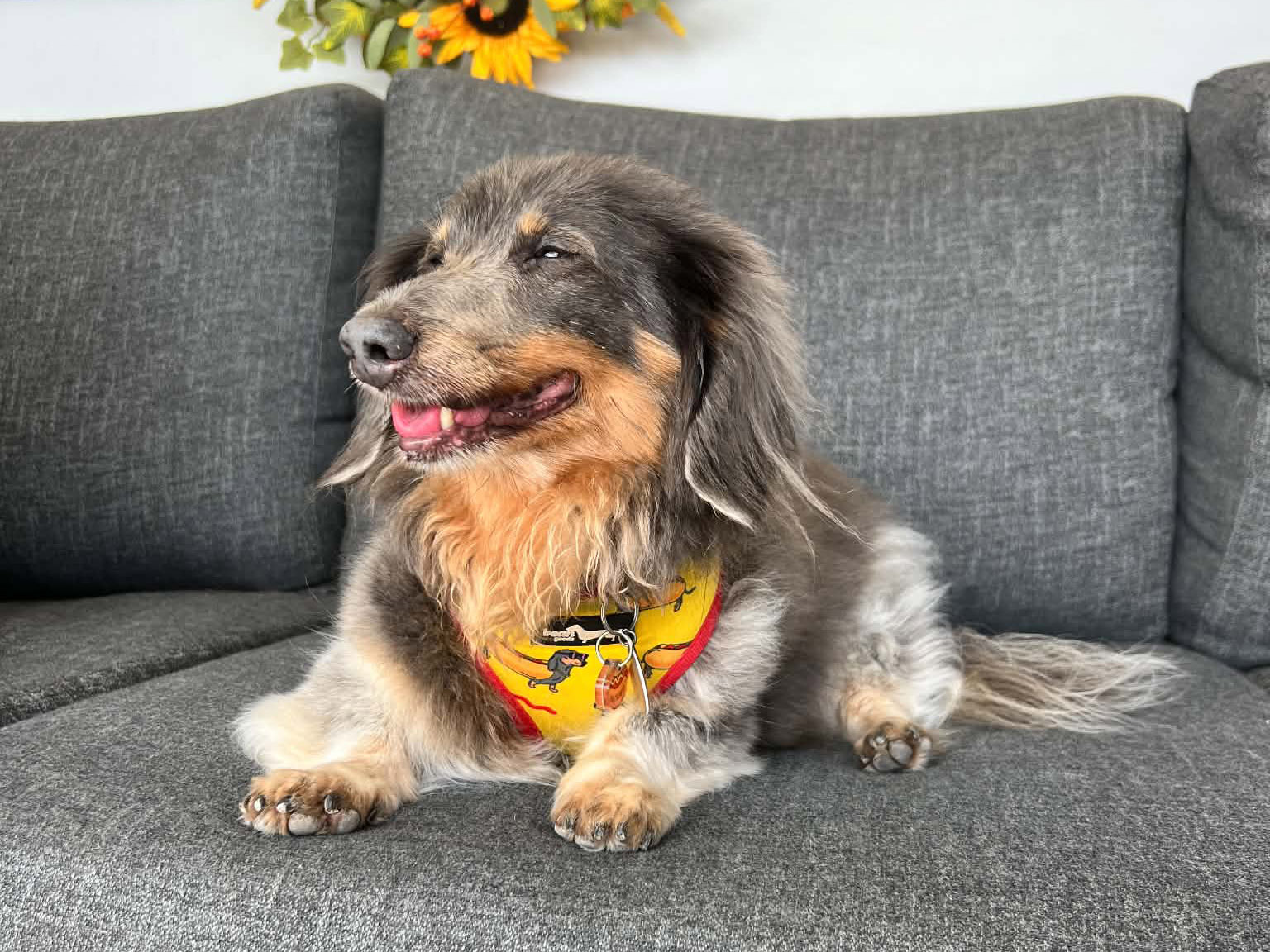
When Kai was diagnosed with chronic kidney disease in 2024, I knew we had a long road ahead of us. What I didn’t know was just how much our daily routine would eventually revolve around managing his condition.
Over the next two years, I learned more about kidney disease than I ever expected to. I became very familiar with prescription diets, supplements, medications, subcutaneous fluids, and the seemingly endless ways to convince a stubborn dachshund to eat something he had absolutely no interest in eating.
As his disease progressed, so did our routine. We went from administering fluids every other day to giving them daily. There were good days, frustrating days, and plenty of trial and error along the way.
Kai passed away in September 2026, and while I would give just about anything to have more time with him, I’m grateful that we were able to manage his disease for as long as we did.
Along the way, I purchased quite a few things to make his care easier, keep him comfortable, and hopefully make life a little less stressful for both of us.
I wanted to share some of those items in case another pet parent finds themselves navigating the same diagnosis.
Before we get started: I’m a pet parent and photographer, not a veterinarian. Everything I’m sharing is based on my personal experience caring for Kai. Kidney disease can vary significantly between dogs, so always work with your veterinarian before changing your pet’s diet, medications, supplements, or treatment routine.
1. Supplies for Subcutaneous Fluids
One of the biggest adjustments we made was learning to administer subcutaneous fluids at home. Kai started receiving fluids every other day, but as his kidney function declined, we eventually moved to daily treatments. I’ll admit that the thought of sticking my own dog with a needle was intimidating at first. But with guidance from our veterinary team and a lot of practice, it became part of our normal routine. Having the right supplies and a consistent setup made an enormous difference.
What I used:
- An IV fluid bag prescribed by our veterinarian
- Administration tubing and needles
- A dedicated place to keep everything organized
- A comfortable spot for Kai during treatments
My takeaway: Ask your veterinary team to demonstrate the process and help you find a routine that works for your dog. Never change the amount or frequency of fluids without veterinary guidance.
2. A Way to Keep Track of Medications and Supplements
As Kai’s condition progressed, his daily routine became increasingly complicated. Between kidney-related treatments, blood pressure medication, thyroid medication, anti-nausea medication, and supplements, there was a lot to keep track of. And when you’re managing medications with different schedules, it’s surprisingly easy to second-guess whether you’ve already given something.
I found that having a system was essential. Whether that’s a medication organizer, a written checklist, or a tracking app, I highly recommend finding something that works for you.
My takeaway: Consistency matters, and having everything organized makes it easier to communicate with your veterinarian about what your dog is receiving.
3. Products to Encourage Eating
If you’ve ever cared for a dog with kidney disease, you probably know how frustrating mealtime can become. A dog who once enthusiastically ate everything in sight can suddenly decide that their carefully selected prescription food is completely unacceptable. And of course, what they happily ate yesterday might be rejected today.
We tried different renal diets and worked with our veterinarian to find options that Kai would tolerate. Some days were easier than others.
I learned to celebrate the little victories, including the days when he finished a meal without requiring an elaborate negotiation.
My takeaway: Appetite changes can be a significant part of kidney disease. Rather than experimenting with random foods or toppers, work with your veterinarian to identify kidney-appropriate options and address potential nausea.
4. Products That Helped With Hydration
Hydration was a major focus throughout Kai’s kidney disease journey. In addition to his prescribed fluid treatments, I added water to his meals to help increase his fluid intake.
Having fresh water readily available was also important, especially as his disease progressed. Depending on your dog’s preferences, things like additional water bowls, an easy-to-clean fountain, or a bowl placed near their favorite resting spot may help make drinking more convenient.
My takeaway: Pay attention to your dog’s drinking habits and discuss any significant changes with your veterinarian. Increased thirst and urination are common with kidney disease, but changes can also indicate that their condition needs reassessment.
5. Washable Bedding and Easy-to-Clean Supplies
One thing that doesn’t always get discussed enough is how kidney disease can affect your dog’s bathroom habits. As Kai’s disease progressed, nighttime potty breaks became part of our routine. Having comfortable, easy-to-clean bedding and supplies nearby made those moments a little less exhausting. It’s worth thinking about the practical side of caregiving, especially if you’re dealing with frequent bathroom trips, occasional accidents, or a dog who isn’t feeling their best.
My takeaway: Anything that makes cleanup easier without sacrificing your dog’s comfort is worth considering.
6. A Way to Document Their Good Days
This one isn’t necessarily a kidney disease product, but it’s something I feel strongly about. Take the pictures. Take the videos. Document the silly little things your dog does, even if you’ve seen them do those things a thousand times.
I have so many memories of Kai being his wonderfully laid-back, food-motivated, occasionally show-off self. And I’m incredibly grateful for every photograph and video I have of him. As a pet photographer, I’ve always believed that their last day doesn’t have to be their worst day. You don’t need to wait until your pet is at the end of their life to document the bond you share. In fact, I’d encourage you not to.
What I Learned From Caring for Kai
Kidney disease can be overwhelming, particularly when you’re first handed a diagnosis and a list of things you’ll need to monitor. There is so much information to absorb, and the routine that works today may need to change a few months down the road. Some of the products I purchased were genuinely helpful. Others were less successful. And some of the most valuable things weren’t products at all, but the patience, flexibility, and support that helped us navigate each stage of his disease.
I’m especially grateful to Kai’s veterinary team, who helped me manage his condition for more than two years. Their guidance made it possible for me to care for him at home, and I never felt like I was navigating his illness alone.
I hope sharing some of the things that helped us makes the process a little easier for someone else. And if you’re currently caring for a dog with kidney disease, please give them a little extra love from me. I know how much work goes into those daily routines, and how much love is behind every single one of them.
In memory of Kai. ❤️